

Architectural visualization is a fascinating blend of art, technology, and architectural design, playing a crucial role in the modern construction industry. It is the process of creating images and animations that convey the appearance and functionality of a proposed architectural design before it is built. This practice has revolutionized how architects, designers, and developers communicate their ideas, make decisions, and market their projects.
At its core, architectural visualization serves multiple purposes. It allows architects and designers to communicate their ideas clearly to clients, stakeholders, and construction teams. This clear communication is vital for making informed decisions about various design elements, materials, and spatial layouts. Furthermore, developers and real estate professionals leverage these visualizations to market properties effectively, attracting potential buyers and investors with realistic and compelling images of the projects.
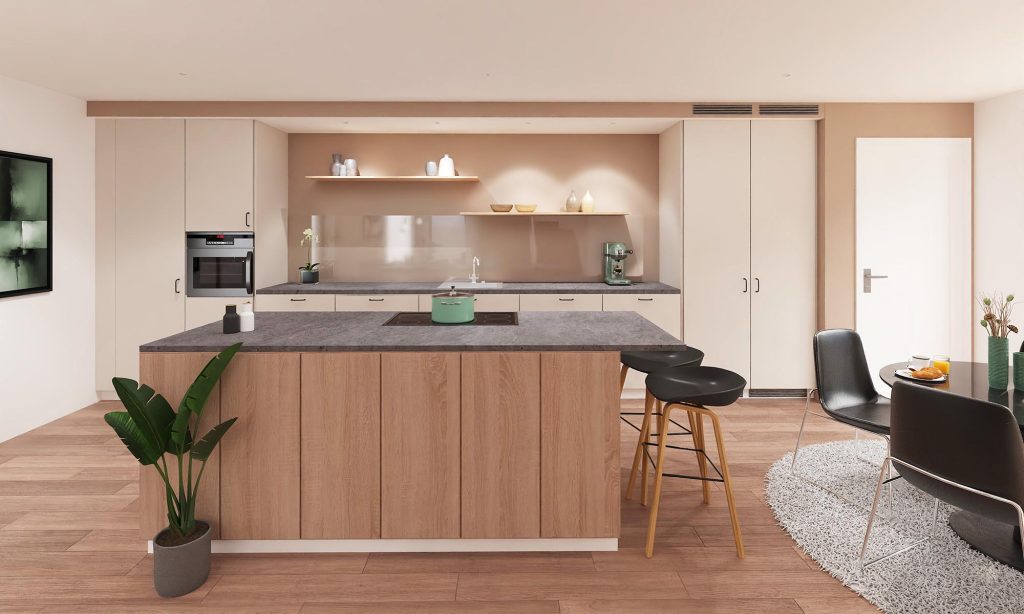
Several techniques are employed in architectural visualization. Traditional 2D drawings, such as floor plans, elevations, and sections, provide detailed, scaled representations of a design. However, the real magic happens with 3D modeling. Using software like AutoCAD, Revit, or SketchUp, designers create three-dimensional digital models of buildings. These models are then rendered into high-quality images with realistic lighting, textures, and materials using rendering software such as V-Ray, Lumion, or Blender. Beyond still images, animated walkthroughs and virtual tours allow viewers to dynamically explore a space, often created with tools like Unity or Unreal Engine.
The tools and software used in architectural visualization are diverse and sophisticated. Modeling software like AutoCAD, Revit, SketchUp, Rhino, and 3ds Max enable the creation of detailed 3D models. Rendering engines such as V-Ray, Corona, Lumion, Enscape, and Blender transform these models into photorealistic images and animations. Post-production software like Photoshop and After Effects is often used to enhance and refine these visuals further.
Architectural visualization finds applications in a wide range of projects, from residential and commercial buildings to urban planning and interior design. Whether visualizing a single-family home or a large commercial complex, these visualizations are invaluable across various scales and types of architecture. Urban planners use them to visualize entire neighborhoods, cities, or infrastructural projects, understanding the impact of large-scale developments. Interior designers also benefit from creating detailed representations of interior spaces, including furniture, lighting, and finishes, to aid in design decisions.

The benefits of architectural visualization are numerous. It provides a clear and accurate depiction of the final product, making it easier for clients and stakeholders to understand and engage with the design. By identifying potential issues early in the design process, it helps reduce costly mistakes during construction. Additionally, it facilitates better communication and collaboration among architects, designers, engineers, and clients, ensuring everyone is on the same page.
In summary, architectural visualization is an essential tool in modern architecture and design. It leverages advanced technology to bring concepts to life, ensuring successful project outcomes by enhancing understanding, reducing errors, and improving collaboration. This practice continues to evolve, pushing the boundaries of what is possible in the world of architectural design and construction.